Keeping a home running smoothly takes more than just living in it. It means being proactive about all the little things that can go wrong. I have seen how a small problem can quickly become a huge headache if ignored.
Routine household maintenance items are not glamorous, but they are absolutely essential. They form the backbone of a comfortable and safe living space. Thinking ahead and tackling tasks regularly saves money and stress in the long run.
I believe that understanding these routine tasks empowers homeowners. It helps them feel more in control of their property. When you know what to look for and how to handle basic upkeep, your home becomes a more reliable place for you and your family.
The Foundation of a Well-Maintained Home
A well-maintained home starts with a strong understanding of what routine care truly involves. It is not just about fixing things when they break. It is about preventing those breaks from happening in the first place. I always tell people that a little effort now can prevent major costs later.
This kind of maintenance means regularly checking and cleaning vital systems. It includes inspecting the structure of your home. It means taking care of appliances. We are talking about tasks that might seem small individually but add up to significant protection for your property.
The goal is to extend the lifespan of your home’s components. It helps maintain its value. It also ensures a safe and healthy environment for everyone living there. I think of it as giving your home the consistent attention it needs to thrive.
Why Regular Checks Save Money
Many homeowners skip routine checks because they feel like an extra chore. However, I have personally seen how neglecting these simple tasks can lead to expensive repairs. A tiny leak today could become a burst pipe next month.
Regular maintenance allows you to catch issues when they are minor. This means you can fix them easily and cheaply. It prevents small problems from escalating into emergencies. It also keeps your home systems running efficiently. This lowers your utility bills. It is a win-win situation.
Essential Tools and Supplies for Everyday Tasks
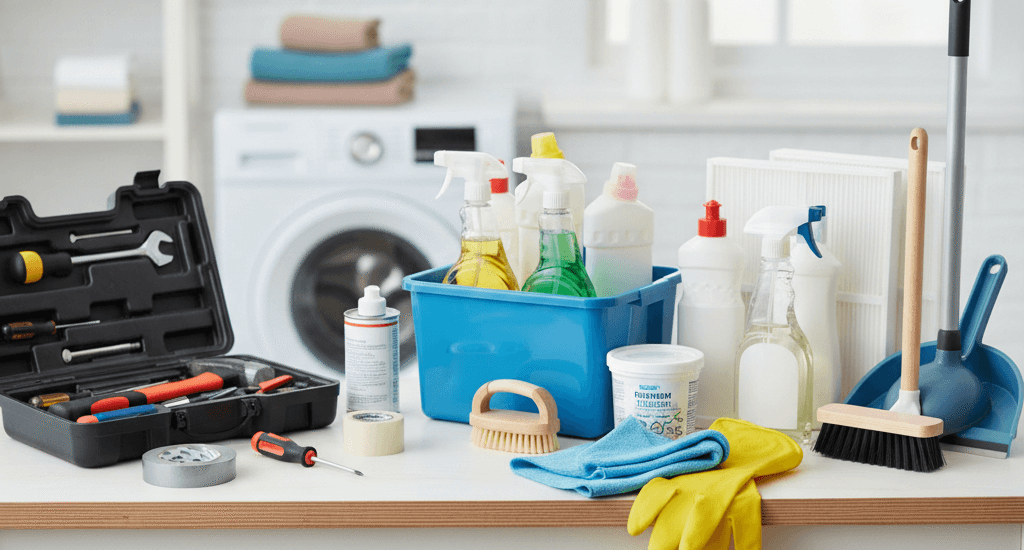
Having the right tools on hand makes routine household maintenance much simpler. You do not need a workshop full of specialized equipment. A basic collection of common items will get you through most everyday tasks. I keep a dedicated toolbox stocked at all times.
We should think about what goes into a functional toolkit for general home care. These are the items you will reach for again and again. They are invaluable for small fixes and regular upkeep, helping you stay prepared for anything.
Basic Hand Tools
I recommend everyone have these fundamental tools readily available. They are good for tightening loose screws or assembling furniture. You will find endless uses for them.
- A set of screwdrivers with various head types.
- A claw hammer for driving or removing nails.
- Adjustable wrenches for plumbing and mechanical work.
- Pliers for gripping, bending, and cutting.
- A tape measure for accuracy in any project.
- A utility knife for various cutting needs.
- A level to ensure things are straight.
Cleaning and Safety Supplies
Beyond tools, certain cleaning and safety items are crucial for ongoing maintenance. These ensure a clean home and protect you during tasks.
- All-purpose cleaners.
- Gloves for protection.
- Sponges and cleaning cloths.
- A sturdy bucket.
- Flashlights with fresh batteries.
- Baking soda and vinegar for natural cleaning solutions.
Keeping these basic supplies organized in one place makes maintenance less daunting. It saves time when a task needs doing right away. You are always ready to address a small issue before it grows.
Plumbing Care Keeping Your Water Flowing Smoothly
Plumbing systems are vital to any home, and consistent care prevents major disruptions. I have learned that ignoring minor plumbing issues can quickly lead to extensive damage. Water can cause a lot of harm to property. So regular attention is a wise investment of your time.
Routine checks help identify potential problems like leaks or clogs before they escalate. It ensures your water supply remains clean and consistent. It also keeps your drains running freely. We rely on our plumbing daily, so it deserves our focused attention.
Checking for Faucet Leaks
Even a small drip from a faucet can waste a surprising amount of water over time. It can also lead to staining in your sink. I suggest checking all your faucets regularly for any signs of dripping. If you find a leak, often it is just a worn-out washer that needs replacing.
This is a simple fix that most homeowners can handle. It requires turning off the water supply to that faucet. Then you carefully disassemble the handle. Replace the old washer with a new one. It helps to have a small assortment of common washer sizes on hand.
Clearing Slow Drains
Slow drains are an annoyance, but they signal a developing clog. Addressing them early prevents a full blockage. I use a mixture of baking soda and vinegar followed by hot water for minor clogs. This natural solution often works wonders.
For tougher clogs, a plumbing snake can reach deeper blockages. I find it much better than harsh chemical drain cleaners. Chemical cleaners can damage your pipes over time. They are not always the best solution. Many homeowners face the most common plumbing repairs because they ignore slow drains or small drips for too long.
HVAC System Longevity and Efficiency
Your heating, ventilation, and air conditioning system works hard to keep your home comfortable year-round. It is one of the most expensive systems in your house. So giving it routine maintenance is incredibly important for its longevity and efficiency. I have seen many people neglect their HVAC, only to face huge repair bills later.
Regular maintenance ensures that your system runs optimally. This means it uses less energy. It also means it provides better air quality. We want our homes to be comfortable without breaking the bank on utility costs.
Replacing Air Filters Regularly
This is perhaps the simplest and most crucial HVAC maintenance task. Dirty air filters restrict airflow. This makes your system work harder and less efficiently. A clogged filter also negatively impacts your indoor air quality by trapping dust and allergens.
I recommend checking your air filter monthly. You should replace it every one to three months. This depends on factors like pets and allergies. This small change makes a big difference. It helps your system last longer and saves on energy bills.
Annual Professional Check-ups
While DIY filter changes are great, a professional HVAC tune-up once a year is invaluable. Technicians can spot issues you might miss. They will clean coils, check refrigerant levels, and inspect electrical components. This thorough check helps prevent breakdowns when you need your system most.
It helps you avoid inconvenient surprises. It also keeps your warranty valid. I always advise people to schedule these checks in the spring for air conditioning. You can schedule them in the fall for heating. This way, your system is ready for peak usage.
Electrical System Safety and Prevention
A home’s electrical system is something many of us take for granted. It provides power for everything from lights to major appliances. But because it handles electricity, safety is a top concern. Routine checks of your electrical system can prevent hazards. They can also ensure everything is working correctly. I consider this area non-negotiable for homeowner safety.
Understanding a few basic maintenance points empowers you to keep your electrical setup reliable. You do not need to be an electrician. Simple visual inspections go a long way.
Checking Outlets and Switches
I advise routinely checking your outlets and light switches. Look for signs of wear. This includes cracked plates or loose fittings. If an outlet feels warm to the touch, or if you smell burning, it is a sign of a serious problem. You should have it checked by a professional electrician right away.
Also, make sure all outlets have safety covers if you have young children. Test your Ground Fault Circuit Interrupter or GFCI outlets every month. These are usually in bathrooms and kitchens. They protect against electric shock. This is a very important safety measure.
Testing Smoke and Carbon Monoxide Detectors
Smoke detectors and carbon monoxide detectors are lifesavers. They must always be in working order. I recommend testing them monthly by pressing the test button. You should change their batteries at least once a year. A good practice is to do this when you change your clocks for daylight saving time.
These devices typically have a lifespan of about seven to ten years. You should replace them after that time. It does not matter if they still seem to work. The sensors degrade over time. Maintaining these devices is a simple task that offers huge peace of mind.
Protecting Your Home’s Exterior
The exterior of your home is its first line of defense against the elements. Neglecting outdoor maintenance can lead to problems inside. This includes water damage, drafts, and pest invasions. I always emphasize that outdoor upkeep is just as important as indoor maintenance.
Routine care for your home’s exterior protects your investment. It also enhances curb appeal. It creates a safer and more comfortable living space inside. A few key tasks can make a significant difference.
Gutter Cleaning
Clogged gutters are a common source of water damage. They cause water to overflow and pool around your foundation. This can lead to basement leaks or even structural issues. I clean my gutters at least twice a year. I do it in the spring and again in the fall.
It involves removing leaves, twigs, and other debris. Make sure the downspouts are clear as well. If you have tall gutters, use a sturdy ladder or hire a professional. This simple task directs rainwater away from your house. It protects your foundation effectively.
Roof Inspections
Your roof shields your entire home from rain, snow, and sun. Regular visual inspections are crucial. I look for missing or damaged shingles. I also check for signs of wear around chimneys and vents. Catching a small issue now can prevent a costly roof leak later.
After a heavy storm, it is a good idea to perform a quick check. If you spot significant damage or feel uncomfortable on a ladder, hire a roofing professional. They can assess the situation safely. We want to protect our roofs for many years.
Sealing Windows and Doors
Drafty windows and doors waste energy and make your home less comfortable. I inspect the caulking and weatherstripping around all my windows and doors. I look for any cracks or gaps. Replacing old caulk and worn weatherstripping is a straightforward DIY task.
This improves your home’s energy efficiency. It also keeps out unwanted moisture and pests. It is a smart way to maintain comfort. It helps keep your heating and cooling costs down.
Planning Your Maintenance Schedule
Having a plan is crucial for staying on top of all the routine household maintenance items. Without a schedule, tasks often get forgotten until a problem arises. I have found that a systematic approach makes upkeep feel less overwhelming and more manageable. It ensures that every part of your home gets the attention it needs throughout the year.
A well-organized maintenance plan can save you stress and money. It prevents emergency repairs. It helps maintain your home’s value. It also keeps your living environment safe and comfortable.
Seasonal Tasks and Checklists
I organize my maintenance tasks seasonally. This breaks them down into smaller, more digestible chunks. For example, spring is a great time to check the exterior. Fall is ideal for preparing for winter. We can group tasks together. This makes the process more efficient. Creating a simple checklist for each season helps keep everything on track.
- Spring: Inspect roof and gutters, clean windows, check exterior siding, service air conditioning.
- Summer: Clean and inspect decks or patios, trim trees and bushes, check for pest activity.
- Fall: Clean gutters again, inspect heating system, seal drafts, prepare garden for winter.
- Winter: Test smoke detectors, clean dryer vents, check for leaks from ice dams, monitor insulation.
Creating a Digital or Physical Checklist
Whether you prefer a digital reminder or a physical clipboard, a checklist is your best friend. I use a simple spreadsheet to list all my tasks. I set recurring reminders on my phone. This way, nothing slips through the cracks. It gives me a clear overview of what needs doing and when.
This systematic approach makes complex home maintenance feel straightforward. It helps me delegate tasks if needed. It also lets me track when major systems were last serviced. This kind of planning takes the guesswork out of home upkeep.
The Lasting Value of Home Upkeep
Embracing routine household maintenance items is more than just a list of chores. It is an investment in the long-term health and value of your home. I have seen firsthand how consistent care protects against unexpected failures and costly repairs. It ensures that your home remains a safe, comfortable, and efficient place to live. From simple tasks like replacing air filters to more involved projects like cleaning gutters, each action contributes to a stronger, more resilient property. A proactive approach means catching small issues before they become major headaches. This saves you money and stress. It gives you greater peace of mind. I always encourage homeowners to adopt this mindset. It creates a healthier home and protects your financial investment. Start today by creating a simple checklist. Begin with one small task. Experience the benefits of a well-maintained home. Your future self will thank you for it.